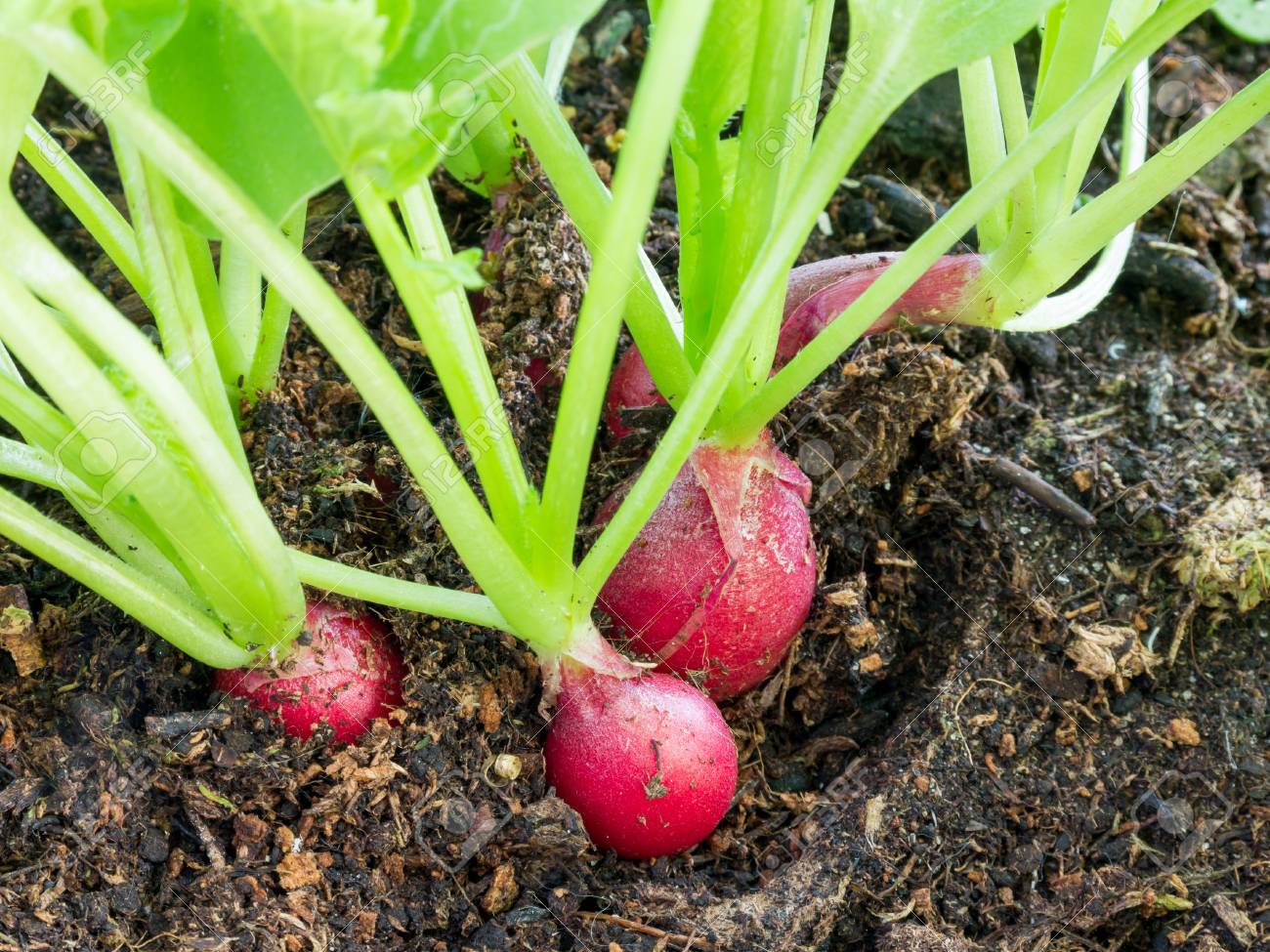
In recent years, home gardening has experienced a resurgence as people prioritize sustainability, health, and food security. This trend reflects a growing desire to reconnect with nature, reduce reliance on commercial food systems, and ensure access to organic, pesticide-free produce. Whether in urban apartments or rural homesteads, individuals are increasingly embracing the practice of growing their own food.
It is fresher and free from harmful pesticides and additives, ensuring optimal health. Growing your own food can significantly reduce grocery bills, especially for fresh produce. By minimizing food transportation and packaging waste, home gardening contributes to sustainability. Moreover, it provides a sense of security, particularly during food shortages or economic downturns. Home gardening is a rewarding hobby that fosters a sense of accomplishment and connection to nature. It also serves as an educational tool, teaching children about biology, ecosystems, and the importance of food production.
Assess the amount of sunlight your space receives, the type of soil, and any potential obstacles.
Consider your climate, personal preferences, and growing season when choosing plants. Start with easy-to-grow varieties like tomatoes, lettuce, or herbs.
Test your soil pH and add amendments like compost or fertilizer as needed to improve its fertility.
Follow the planting instructions on seed packets or seedling labels, ensuring proper spacing and depth.
Water your plants consistently, especially during dry periods. Avoid overwatering, as it can lead to root rot.
Monitor your plants for signs of pests or diseases and take appropriate measures to control them.
Harvest your produce at its peak ripeness and enjoy the fruits of your labor.