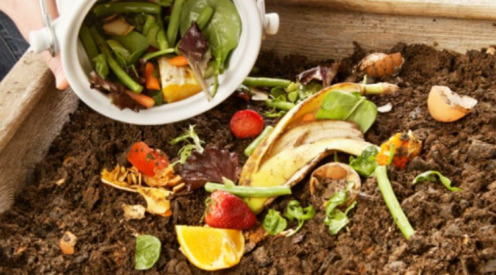
Have you ever wondered where your food scraps go after you toss them in the trash? Most likely, they end up in a landfill, a massive pile of waste that can take hundreds of years to decompose. But what if there was a way to turn those scraps into something valuable?
Composting is a natural process that transforms organic waste, like food scraps and yard trimmings, into nutrient-rich soil. It's a simple yet powerful way to reduce waste, conserve resources, and improve soil health.
Compost is a mixture of decomposed organic matter that is rich in nutrients. It's created by a community of microorganisms, including bacteria, fungi, and worms, that break down organic materials into a nutrient-dense substance. This substance can then be used to fertilize gardens, lawns, and potted plants.
There are many benefits to composting, both for our environment and for our communities. Here are a few reasons why composting is important:
By composting food scraps and yard waste, we can significantly reduce the amount of trash that ends up in landfills. This helps to conserve resources and protect our environment.
Compost is a natural fertilizer that can help to improve soil structure, water retention, and nutrient content. This, in turn, can lead to healthier plants and gardens.
Landfills are a major source of methane, a potent greenhouse gas. By composting organic waste, we can help to reduce methane emissions and mitigate climate change.
Composting can help you save money on fertilizer and other gardening supplies. By creating your own compost, you can fertilize your plants for free.
Water your plants consistently, especially during dry periods. Avoid overwatering, as it can lead to root rot.